Free sample lesson · Scaling People: Tactics for Management and Company Building
Map Your Management Defaults
Which hidden preference shapes every meeting you lead?
Lesson 1 of the Wondering course Scaling People: Tactics for Management and Company Building
What You Will Learn
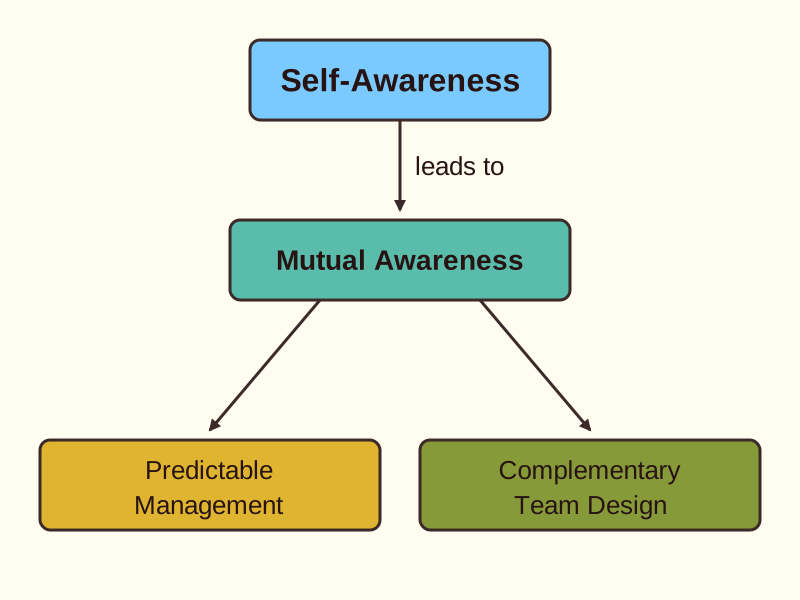
Naming your values and work-style defaults helps you build complementary teams instead of mistaking your preferences for universal rules.
The Power of Self-Awareness
Managers become more effective when they can explain their own behavior to others.
Self-awareness is not just private reflection. It is a tool for mutual awareness.
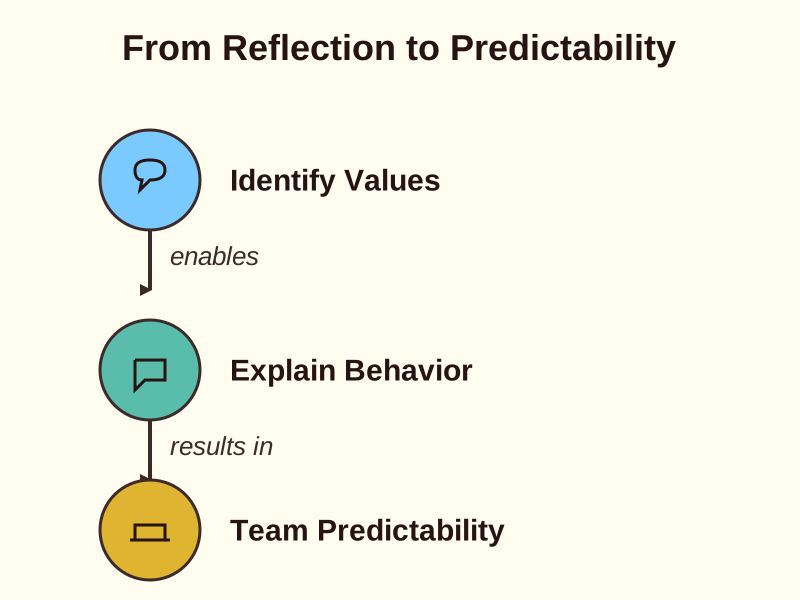
When you name your values and work-style defaults, you make your actions predictable. This helps your team understand why you make certain choices.
Values and Their Trade-offs
A value is more than an admired word. It is a choice that involves a real trade-off.
For example, a manager who values speed may unblock decisions quickly. However, they might also skip important stakeholders.
By naming this value, you can invite your team to flag when your speed harms trust or quality.
- The Upside
- The Trade-off
Mapping Your Work Style
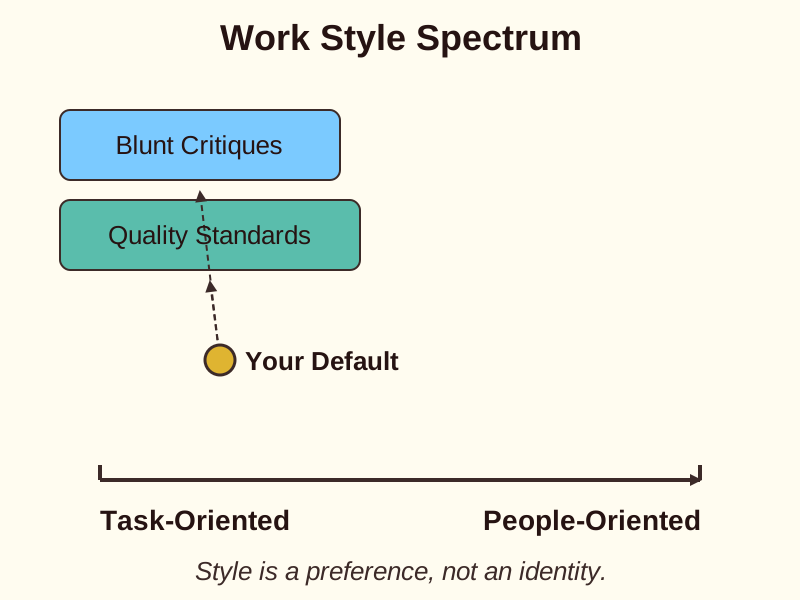
Your work style is a default preference, not a fixed identity. It is not an excuse for poor behavior.
Think about where you sit on the axis of task-oriented versus people-oriented.
A task-oriented leader might offer fast, blunt critiques. Sharing this preference helps others see the critique as a quality standard rather than a personal attack.
Building Complementary Teams
The strongest teams are not made of people who think exactly like the leader.
Instead, aim for complementarity. This means surrounding your strengths with people who cover your blind spots.
A fast, extroverted promoter should pair with an analytical colleague. This partner can test assumptions before the team makes a final commitment.
Avoiding the Mirror Trap
A common misconception is that alignment requires similarity. This is not true.
Good leaders do not need to excel at every single capability. They only need to ensure the team as a whole has those skills.
Focus on covering risks. Use different work styles to create a balanced, high-performing system.
- The Mirror Trap
- Balanced System
How to Apply It in Real Life
- Audit Defaults: Identify your top 3 work-style preferences and their common trade-offs.
- Share Context: Explain these defaults to your team so they understand your 'why'.
- Identify Gaps: Look for capabilities missing in your team that mirror your weaknesses.
- Hire for Balance: Recruit individuals who naturally excel where you have blind spots.
Keep going
This is lesson 1 of 12 in Scaling People: Tactics for Management and Company Building. Next up:
- Manage Stability, Lead Ambition
- Make the Foundations Explicit
- Write Goals That Guide Decisions
- Turn Cadence into Learning
- Define Evidence Before Interviews
Wondering turns any topic into short lessons you can read, watch, or listen to, with practice questions and an AI tutor.