Free sample lesson · Clear Thinking: Turning Ordinary Moments into Extraordinary Results
Ordinary Moments Decide Your Options
Can a Friday-night argument about the dishwasher undo the best decision you ever made?
Lesson 1 of the Wondering course Clear Thinking: Turning Ordinary Moments into Extraordinary Results
Small Moments Shape Options
Can a Friday-night argument about the dishwasher undo the best decision you ever made?
Choosing a partner is a big choice, and most people think it through carefully. Yet a wonderful relationship can still disappear through daily neglect. Anything multiplied by zero becomes zero. In the same way, the value of a big choice can be “multiplied by zero” when you neglect the everyday moments that follow.[[1]](https://cdn.penguin.co.uk/dam-assets/books/9781804947036/9781804947036-sample.pdf)[[3]](https://rationalreminder.ca/podcast/280)
Those moments build your position: the circumstances and options available when a major decision arrives.
Today’s small reply shapes tomorrow’s possible moves.
Position Compounds Quietly
Two companies enter a downturn. One has cash and low debt; the other has no cash and high debt.
The first has several good options. The second faces bad options, however intelligent its leaders are.[[1]](https://cdn.penguin.co.uk/dam-assets/books/9781804947036/9781804947036-sample.pdf)
Think of Tetris: stack falling shapes neatly and many future shapes fit. Leave gaps and only the exact right shape can save you.[[1]](https://cdn.penguin.co.uk/dam-assets/books/9781804947036/9781804947036-sample.pdf)
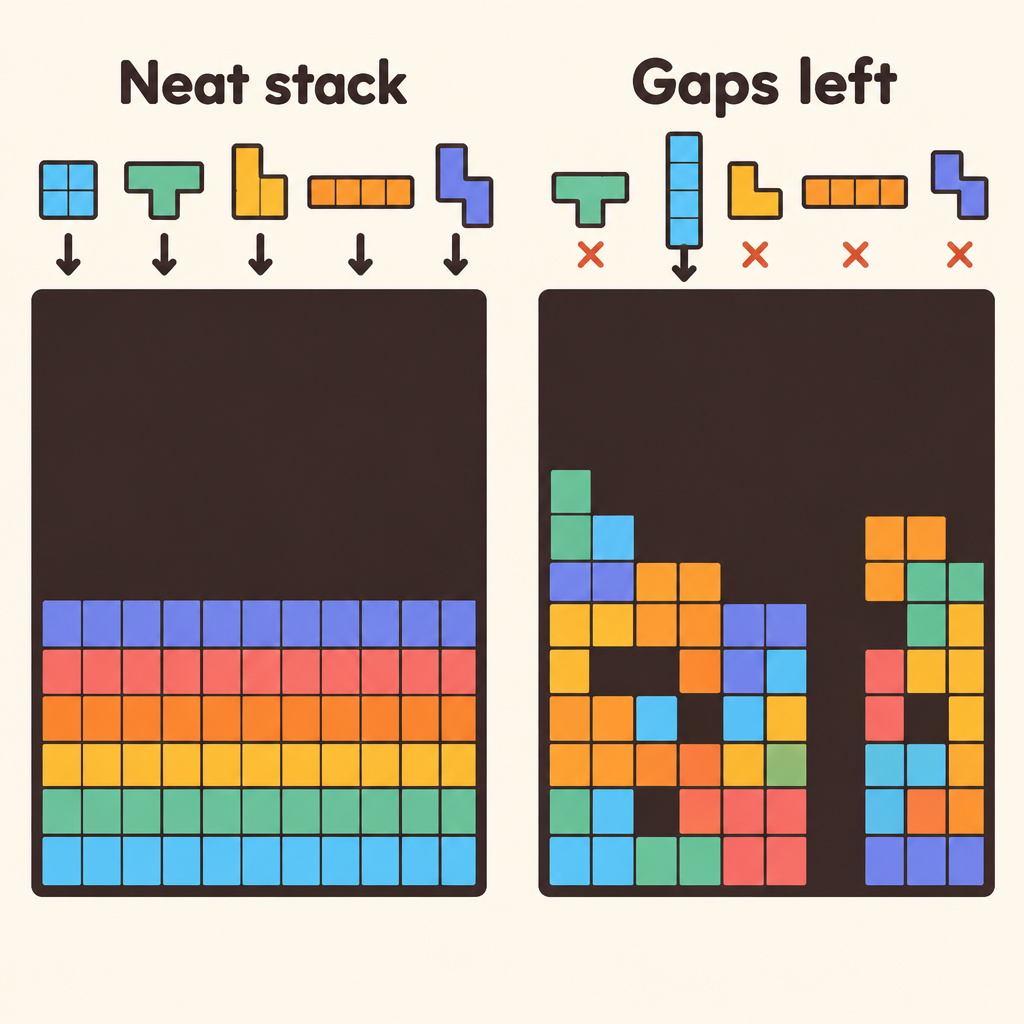
Notice how the neat stack can accept many falling shapes, while the gappy stack depends on one exact piece, just as good position keeps many options open.
Ordinary moves create that difference.
Gas or Water?
A partner says, “Interesting way to load it.” Each reply is a small decision. Gas means escalating: “At least I load it,” and the evening ends in silence. Water means calming things down: “Show me how you like it.”
Parrish asks people in a heated moment whether they want to add gas or water. The question shows them that escalating is a choice, and they usually pick water.[[3]](https://rationalreminder.ca/podcast/280)[[4]](https://tim.blog/2023/09/29/shane-parrish-farnam-street-transcript/)

Parrish's one question for a heated moment: are you about to add gas or water? · The Tim Ferriss Show #695, "Rules for Better Thinking, How to Reduce Blind Spots, & More | Shane Parrish", YouTube
Repeated responses either dry the relationship or preserve trust for a real crisis.
Which reply improves your later options?
Position Can Resemble Talent
In 2023, Parrish said Berkshire Hathaway held about $150 billion in cash. It wins if markets rise, and if everything implodes it can still act.[[3]](https://rationalreminder.ca/podcast/280)

Shane Parrish explains position with Warren Buffett: keep enough cash and options that you win however the market moves. · The Tim Ferriss Show #695, "Rules for Better Thinking, How to Reduce Blind Spots, & More | Shane Parrish", YouTube
In a crash, a company short of cash may have to sell what it owns at low prices just to pay its bills: a forced sale. Cash on hand removes that pressure. Instead of defending, the company can “play offense” and buy while others are forced to sell.
Strong results may therefore reflect available options, not brilliant judgment in that moment. Anyone can look like a genius from a good position.[[2]](https://nextbigideaclub.com/magazine/clear-thinking-turning-ordinary-moments-extraordinary-outcomes-bookbite/45599/)
Diagnose the Real Advantage
Imagine two team leads receiving corrections for months. One asks questions; the other dismisses every concern.
Later, a client crisis arrives. The first lead receives early warnings and honest help. Colleagues avoid speaking openly with the second.
The first may appear more talented during the crisis. Yet earlier replies created trust, information, and better options.
- First lead
- Second lead
To diagnose an outcome, ask: What choices were available, and what earlier moments created them?
Create Room Before Replying
When tension rises, do not demand perfect clarity. Parrish describes the aim as progress, not thinking clearly all the time.[[5]](https://crazygoodturns.org/episodes/shane-parrish)
First, notice that this reply is a decision. Then ask, “Am I adding gas or water?” If the answer is gas, pause and choose a response that preserves trust and flexibility.
- Tension rises: Aim for progress, not perfect clarity.
- Notice the decision: Recognize that your next reply is a choice.
- Gas or water?: Am I adding gas or water?
- Pause
- Choose preserving response: Pick a reply that preserves trust and flexibility.
- Position protected
Without that pause, a quick reaction often picks the reply before you have really decided anything. You snap back at a colleague in a meeting, or you argue to prove you're right instead of aiming for the best outcome. Because the moment seems too small to matter, you don't notice that you never chose. In Parrish's words, the situation thinks for you. A later lesson names these reactions and explains how they work.
That small habit protects your position before the next big choice arrives.
Check yourself
When a partner makes a mildly critical comment, replying “At least I did it” is adding _____
- gas
- water
Answer: gas
That reply adds gas because it escalates the exchange. A water response would preserve trust, such as asking how the partner prefers it done.
When tension rises, first _____ that your reply is a decision, then ask whether you are adding _____ or water. If the answer is gas, _____ before choosing a response.
Answer: When tension rises, first notice that your reply is a decision, then ask whether you are adding gas or water. If the answer is gas, pause before choosing a response.
The habit starts by recognizing that a reply is a choice rather than an automatic reaction. Next you check whether the reply will escalate the situation (gas) or calm it (water). If it is gas, you pause so you can pick a response that preserves trust and flexibility. Replying on reflex skips the step that makes escalating visible as a choice.
A manager often answers small mistakes with sharp, dismissive replies. Months later, team members stop sharing warnings during a client crisis. What best explains this outcome?
- The earlier replies created a worse position for the crisis
- Only the manager’s decision during the crisis mattered
- The team members became less skilled at their jobs
- The crisis automatically made every manager look equally capable
Answer: The earlier replies created a worse position for the crisis
The ordinary replies weakened trust, so the manager later had fewer sources of information and help. Small moments changed the options available in the crisis.
Keep going
This is lesson 1 of 12 in Clear Thinking: Turning Ordinary Moments into Extraordinary Results. Next up:
- Easy Mode Starts Before the Moment
- The Space Between Stimulus and Response
- The Emotion Default
- The Ego Default
- The Social Default
Wondering turns any topic into short lessons you can read, watch, or listen to, with practice questions and an AI tutor.